
Tree Care Resources For South Florida
Tree Care Tips
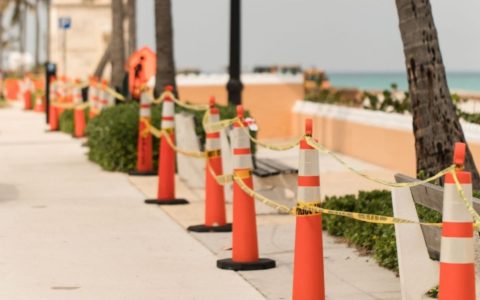
Construction and major landscaping damage can leave trees stressed and broken, making them vulnerable to pests and diseases. Learn how construction can damage your trees so you’ll know what to avoid and how to protect valuable trees on your property.

Do your trees have brown or dying leaves on one half but the other half looks fine? In South Florida, it’s probably due to salt burn from wind-blown sea spray, especially if your trees are near the ocean. Learn how to identify, prevent, and treat salt spray damage to your trees.
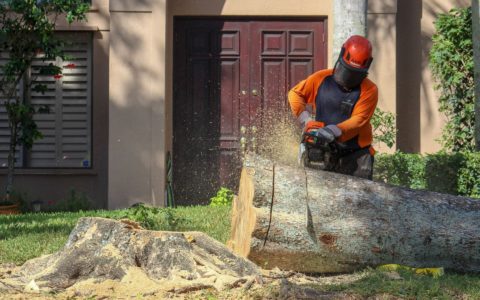
Most people choose to get rid of tree stumps to avoid attracting pests, prevent the spread of plant diseases, stop tree regrowth, and remove tripping hazards. If you decide to remove a tree stump on your property, here are your options – including the best and safest method to do it properly.
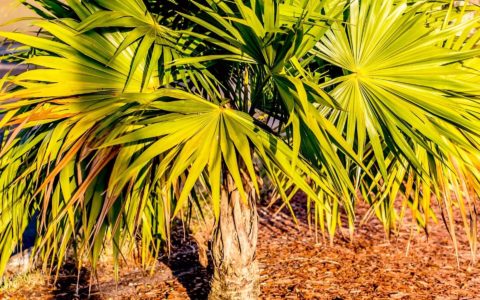
Learn how to select a tree that will thrive on your property, where to plant it, trees to avoid, and questions to ask before buying a tree.
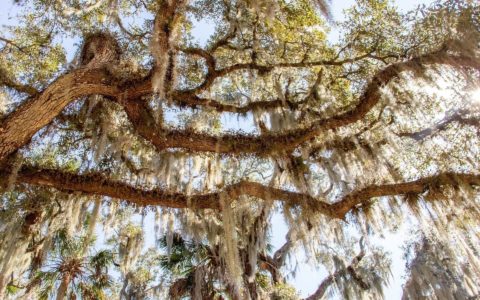
Spanish moss isn’t a moss, it isn’t Spanish, and it doesn’t harm trees in South Florida – despite what many people think. Check out these FAQs for all the details.
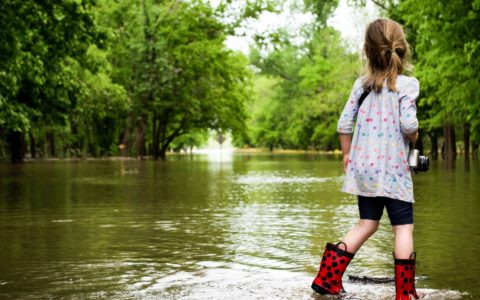
South Florida trees are often flooded by rain and storm surge. Learn what to do before a storm and after the water recedes to prevent and minimize tree damage, plus which trees can tolerate flooding and even saltwater.
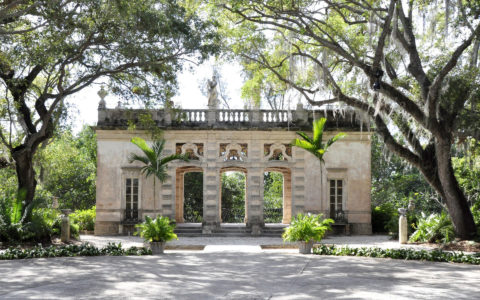
Did you know that South Florida neighborhoods with the most tree cover have the least amount of damage and debris from storms? The many benefits of trees include not only protection from hurricanes, but also lower temperatures, reduced stress, money savings, cleaner air, and so much more.
- « Previous
- 1
- 2
- 3
Looking for more?
We've got you covered with a monthly newsletter full of tips, resources, updates, how-to's, and other helpful information about trees and landscapes in South Florida!
