
South Florida’s winter has delivered a one-two punch: the coldest temperatures in over a decade followed by ongoing drought conditions affecting more than 90% of the state. If your trees are showing stress — wilting, yellowing, or dropping leaves — the cause could be cold damage, drought, or a watering problem. The tricky part? All three look almost identical.
Most often, we see trees dying from underwatering. But, surprisingly, many also die from being overwatered. Catching the difference early can mean saving a mature tree instead of paying to remove a dead one.
Key Takeaways
- Overwatering and underwatering cause similar symptoms because both damage roots and limit water delivery to the canopy — check the soil, not just the leaves.
- South Florida’s sandy soil drains quickly, creating a narrow window between adequate moisture and drought stress for your trees.
- Always test soil moisture 4 inches below the surface before watering: wet soil means wait, dry soil means water.
- Year-round water restrictions in Broward and Palm Beach counties limit irrigation to two days per week, but hand-watering newly planted trees is typically permitted.
- When symptoms persist despite adjusting your watering routine, a Certified Arborist can diagnose whether the problem is water-related or something else entirely.
What Are the Symptoms of Overwatered vs. Underwatered Trees?
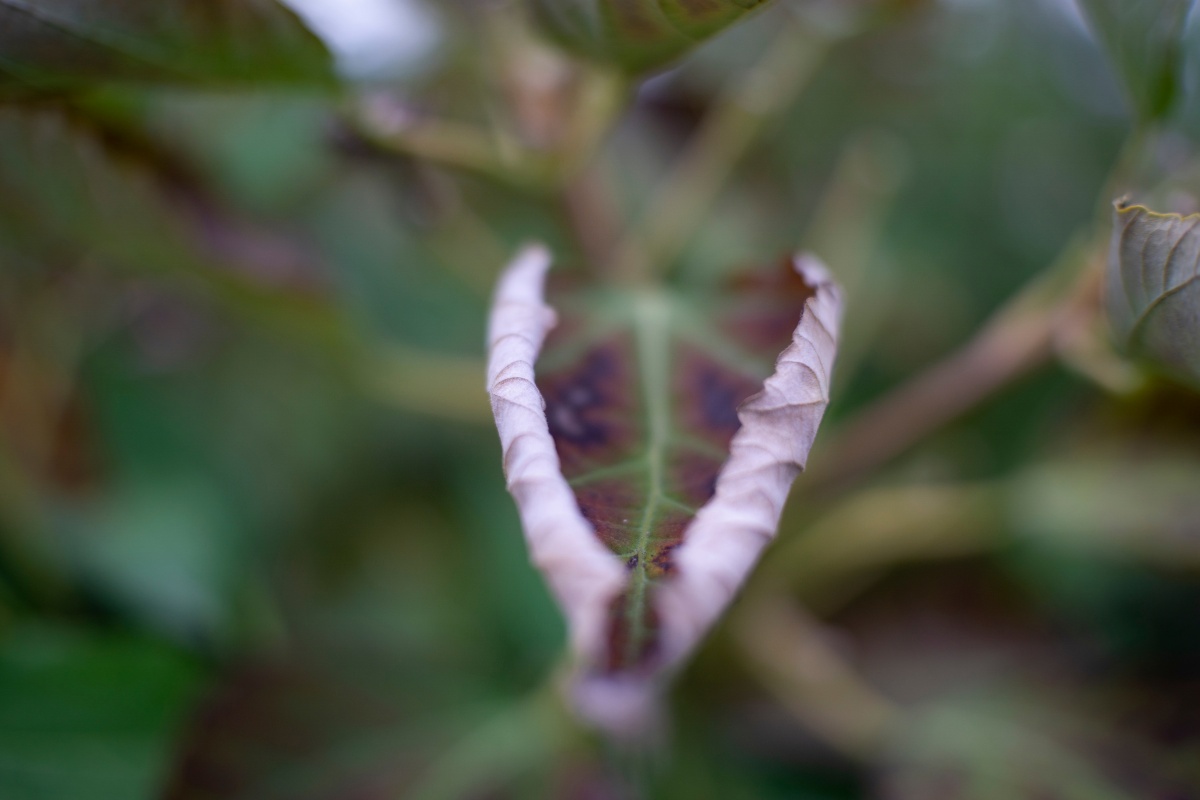
Overwatered and underwatered trees share many of the same visible symptoms (yellowing leaves, wilting, new growth withering, and a thinning canopy), but how and when those symptoms appear can help you tell them apart. You might be surprised to see in the chart below just how similar they look. However, there are some differences in how and when these symptoms appear, depending on whether they’re due to too much or too little moisture.
Overwatered vs. Underwatered Symptoms
| Visible Symptoms | If Overwatered | If Underwatered |
|---|---|---|
| Leaf color changes | Yellowing throughout canopy | Yellowing starts at edges, becomes spotty |
| Leaf texture | Curling upward, fragile, breaks easily | Wilting, curling at edges, dry and crispy |
| When/how symptoms appear | Gradually, after prolonged wet soil | Quickly during hot, dry periods |
| Ground around the tree | Consistently wet, spongy, standing water | Dry, cracked, pulls away from trunk |
| New growth | Withers, turns light green or yellow | Withers before mature leaves show stress |
| Canopy appearance | May look thin from root rot | Sparse, early leaf drop, untimely fall color |
| Root zone | Smells musty or rotten when dug | Soil is dry 4+ inches below surface |
What Are the Signs of an Overwatered Tree?
Overwatering and underwatering can cause very similar symptoms, even though they require completely different solutions. That’s why getting the diagnosis right matters, as treating the wrong problem can make tree health issues worse instead of better.
Overwatering isn’t always the result of homeowner error. Flooding and heavy rainstorms can leave soil waterlogged long enough to damage roots and effectively “drown” trees. More often, however, overwatering is caused by improper watering schedules or irrigation system issues that keep soil too wet for too long.
Here are the key symptoms that may indicate a tree is receiving too much water:
Curling Leaves
Curling leaves occur from overwatering because excess moisture has caused the roots to rot. The leaves begin to curl upward as they get less nutrition from the dead and dying roots. Curling leaves means the overwatering problem has progressed significantly, but you may still be able to save the tree with prompt and proper care.
Yellowing Leaves
Overwatering fills the air spaces in soil, depriving plant roots of oxygen. Put simply: you are suffocating your plant. You’ll quickly start to see leaves turning yellow throughout the canopy of the tree or shrub. Yellowing leaves typically precede curling leaves so take it as a warning sign!
Consistently Wet Ground
The ground around your tree will be one of your best overwatering indicators. Only hydrophytic plants (those adapted to grow in water or saturated soil) enjoy being consistently flooded. Otherwise, the ground around your tree should never remain spongy after you’ve watered, and there should be no signs of standing water.
New Growth Withers or Changes Color
New growth is the most vulnerable part of any plant. If your tree’s new growth withers away or changes color, evaluate your watering regimen immediately.
Fragile Leaves
Leaves can become fragile when the tree is consistently overwatered, usually because the roots have rotted. It may seem counter-intuitive, but at this point, the leaves aren’t getting enough water since so many roots have died.
What Are the Signs of an Underwatered Tree?
An underwatered tree can look a lot like an overwatered one, but what’s happening beneath the surface is very different. Your tree’s leaves are often the best indicator of tree health — here’s what to watch for:
Yellowing, Curling, and Wilted Leaves
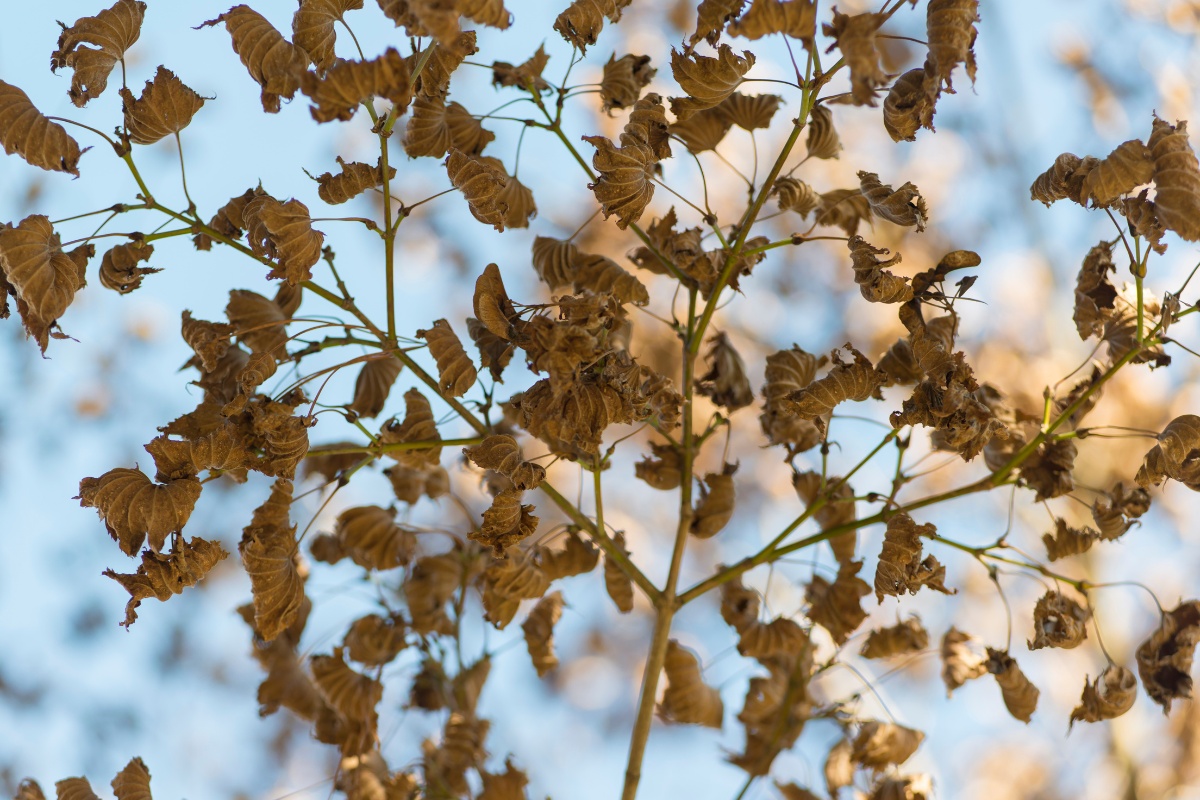
Yellowing and wilted leaves can be an indicator of underwatering your tree. When the leaves don’t get enough water to maintain photosynthesis, they start to break down. The damage typically progresses in stages:
- Stage 1: Leaves yellow around the edges or develop spotty discoloration.
- Stage 2: Leaf edges begin to curl inward.
- Stage 3: Leaves wilt entirely or turn brown and die.
The worst part? Foliage change is irreversible; once leaves have begun to yellow, they won’t ever make a full recovery.
Untimely Fall Color and Early Leaf Drop
Deciduous trees usually drop their leaves and become dormant as fall turns into winter. But, in many tree species, long periods of drought will also act as a trigger to drop their leaves and enter dormancy. Summer dormancy can also happen in landscape or potted trees that aren’t regularly or properly irrigated. This often results in your tree’s leaves changing color and falling much earlier than they normally would.
New Growth Withering or Changing Color
New growth is often the first place underwatering shows up — just as it is with overwatering. If new leaves or shoots are withering or changing color, take it as an early warning. You still have time to correct your watering before the mature leaves suffer.
Sparse Canopy
A tree that consistently doesn’t get enough water will develop a thin canopy with fewer new branches and fewer leaves than usual. This can show up in spring if the tree doesn’t get enough moisture to fully break winter dormancy, or during the growing season as underwatered trees begin dropping leaves early.
What Happens With Severe Underwatering
Severe underwatering can cause permanent damage that no amount of watering can reverse. Once a tree reaches what’s known as the permanent wilting point — when there’s so little moisture in the soil that roots can no longer take up water — leaf and branch cells die. After that, no amount of irrigation will bring them back.
Why Does South Florida’s Sandy Soil Make Watering So Tricky?
South Florida’s sandy soil drains water quickly — often within hours — creating a narrow window between adequate moisture and drought stress for your trees. Unlike clay soils that hold water for days, our sandy soils let irrigation pass right through.
Several other factors further stack the odds against your trees, including:
- Shallow water tables that can rise and fall quickly, making moisture levels unpredictable
- Winter winds that further dry out the soil
- Watering restrictions in most South Florida neighborhoods that limit when you can irrigate
- Recent drought conditions. that reduce available moisture and stress trees quickly
As far as watering practices, the most important thing is to not rely on a fixed schedule. Check soil moisture frequently, especially during dry season, and adjust based on what you find — not what the calendar says.
How Do You Check If Your Tree Needs Water?
There are two ways to check how much moisture is in the soil around your trees: the “finger check” and using a moisture meter.
Check Moisture Level by Hand
You’ll need to be willing to get a little dirty for this one. Check for soil moisture in a few spots around the root zone of your tree (not right up against the trunk). Start by digging 3 to 4 inches into the soil (you can often use your finger to get deep enough into the soil).
If it feels somewhat damp, hold off for a couple of days. If it feels quite soggy, leave it alone longer. Check it consistently over the next week to figure out when to water. If the soil is dry at about 4 inches below the surface, then it’s time to water your tree.
For a more thorough check, use a shovel to dig down about 6 to 8 inches and feel the soil in your hands:
- Too Dry: The soil blows away — water your tree.
- Too Wet: You can squeeze out water — hold off on watering.
- Just Right: Soil holds its shape but isn’t mushy or dusty.
Using a Moisture Meter
A tree’s feeder roots are mostly found in the top 18 inches of the surrounding soil. So, to properly assess whether they’re getting enough water, you’ll need a moisture meter with a probe that can get down to the root zone (24″ is a good length).
The readout on the meter will tell you whether the soil moisture is low, moderate, or high. Only irrigate when the soil is dry or on the low end of moderate, depending on your tree’s needs.
PRO TIP: If you have grass around the tree, you’ll need to water more often. Turfgrass roots absorb much of the water from overhead irrigation before it can soak deeper into the soil where the tree’s roots are found.
Also, any water that runs off or doesn’t soak into the soil doesn’t count. If you have a tree growing on a slope, you might want to create a basin around the tree (with a ridge of soil on the downslope side of the basin) so more of the water soaks into the ground around the tree.
What Are the Best Tree Watering Practices for South Florida?
There is a bit of a science when it comes to watering trees. First, it is essential to understand that each tree species is different. And each individual tree can have different watering needs based on its age, health, and placement — even within the same species.
Keep in mind that many neighborhoods and communities have strict water restrictions. If you live in one of these areas, adjust your watering schedule accordingly. It might also mean having fewer trees on your property or selecting drought-tolerant species.
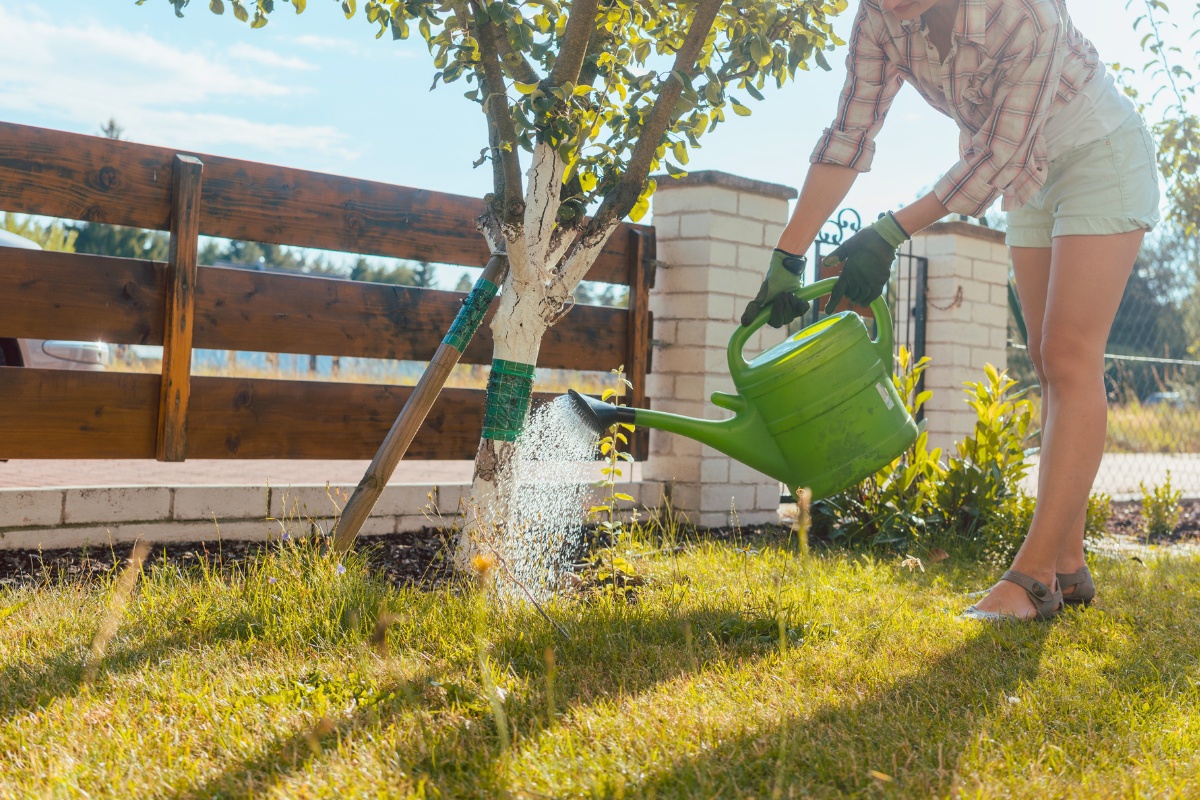
Watering at the base of the tree—not the trunk—helps moisture reach the root zone where it’s needed most.
How to Water
These 3 basics apply to every tree in your yard:
- Water Slowly and Deeply: Trees and palms need long, slow watering, and less-frequent watering than shrubs, perennials, and turf.
- Don’t Water Near the Trunk: Instead, concentrate water around the root zone and the area just beyond it. This will encourage the roots to reach outwards.
- Water in the Morning: Irrigating at night can promote fungal problems while irrigating during the day leads to water loss from evaporation.
Watering Newly Planted Trees
Newly planted trees need additional care for at least the first 2 years after planting. This involves more frequent watering and careful monitoring to ensure it can develop a strong root system. In areas with water restrictions, you may need to water by hand.
What to Watch For
Even with the right technique, you’ll need to stay flexible:
- Adjust for the Weather: Water more during heat waves, and shut off irrigation during rainy stretches. A rain gauge on your irrigation system handles this automatically, which is especially useful for seasonal residents who aren’t here year-round.
- Know How Much Water Your Trees Need: For example, the common crape myrtle has much lower water needs than a palm or red maple. For details on the watering needs of specific trees in South Florida, check out the South Florida Water Management District.
Know Your Watering Schedule
In Broward and Palm Beach counties, year-round irrigation rules limit landscape watering to 2 days per week:
- Odd Addresses (ending in 1, 3, 5, 7, 9): Wednesdays and Saturdays
- Even Addresses (ending in 0, 2, 4, 6, 8): Thursdays and Sundays
- Hours: Before 10 a.m. or after 4 p.m. only
These are the standard year-round rules, but restrictions may be tighter during drought conditions. Always check the South Florida Water Management District website for the most current watering schedule in your area.
Frequently Asked Questions About Overwatering vs Underwatering Trees
Can an overwatered tree recover?
If you catch it early (while leaves are just starting to yellow) most trees bounce back once the soil dries out. However, once root rot sets in, recovery is much harder. Stop watering and allow time for the soil to soak up any standing water; if symptoms don’t improve within a few weeks, have a Certified Arborist evaluate the roots.
Does my irrigation system water my trees enough?
No, your irrigation system probably doesn’t water your trees enough. Most systems are designed for turf — spray heads wet the top few inches, which barely reaches tree roots. Meanwhile, trees in these turf zones can get overwatered from daily lawn cycles. To combat this, water trees separately with a soaker hose or slow drip instead.
Does mulch help or hurt when watering trees?
Mulch definitely helps. A 3- to 4-inch layer conserves soil moisture, reduces irrigation needs, and moderates soil temperature. Just be sure to keep it a few inches away from the trunk and rake occasionally to prevent compaction.
When should I call an arborist about tree watering problems?
If symptoms persist after adjusting your watering routine, or if you’re unsure whether the problem is water-related, a Certified Arborist can diagnose the root cause. Issues like root rot, soil compaction, or pest and disease problems can mimic watering stress and require professional treatment.
Not sure if your tree is overwatered or underwatered? Our Certified Arborists can diagnose the problem and recommend a solution.
Make Sure Your Trees Are Properly Watered – Call Sherlock Tree Today!
If your trees are showing signs of water stress — or you’re not sure whether the problem is too much or too little — Sherlock Tree Company can help. Our Certified Arborists will evaluate tree health, diagnose watering issues, and recommend a care plan tailored to South Florida’s climate and your property’s conditions.
Call us at 954-788-4000 or request an estimate online to get started today.

Call Sherlock for quality tree services
Whether you're looking for specific tree care services, such as palm trimming, tree removal, or disease treatments, or would like one of our Arborists to examine your trees to identify any issues and recommend options, we're always here for you! Just give us a call at 954-788-4000 to set up an appointment.



SEE MORE ARTICLES
Looking for more?
We've got you covered with a monthly newsletter full of tips, resources, updates, how-to's, and other helpful information about trees and landscapes in South Florida!
