The end of the year is South Florida’s clearest window for understanding tree health. Hurricane season has passed, the rains have eased, and the dry season exposes issues that stayed hidden under months of dense growth, wind, and saturated soil.
Stress symptoms, structural weaknesses, and lingering storm damage become far easier to spot – and far easier to address before spring growth begins. A year-end assessment gives you a clear picture of what your trees need now, before small problems turn into costly emergencies.
Key Takeaways
- The dry season (roughly December–February) is the best time for tree assessments in South Florida because slowing growth and lighter canopies make structural issues and stress symptoms easier to see.
- Dry-season conditions reveal problems the wet season hides, including nutrient deficiencies, early dieback, root stress, weakened branch unions, and lingering storm damage.
- Palm trees require their own assessment criteria, especially frond coloration, crown condition, and signs of chronic nutrient stress.
- A year-end walk-through helps you separate issues that need professional attention from those you can simply monitor, giving you clarity before spring growth begins.
- Planning next year’s tree care at year-end ensures better scheduling, better timing windows, and lower long-term costs, helping you stay ahead of emergencies rather than reacting to them.
Why the Dry Season Is the Best Time to Assess Trees in South Florida
South Florida’s dry season gives you a clearer look at your trees than any other point in the year. As rainfall drops and growth slows, trees naturally shift resources from pushing out new foliage to maintaining existing structure – which makes subtle problems easier to see. Canopies tend to be a bit lighter, soil conditions stabilize, and the absence of heavy storms means there’s nothing disguising weak branches, developing cracks, root stress, or early decline.
What Dry-Season Conditions Reveal About Tree Health?
With growth slowing and the canopy no longer expanding rapidly, trees stop masking decline with fresh foliage. Ther natural physiology gives you a clearer view of what’s happening internally and structurally, including:
- Thinning or uneven canopy density, signaling stress that was previously hidden by new growth.
- Early branch dieback, especially at the tips where decline usually shows first.
- Structural issues, such as weak unions, cracks, or emerging deadwood that weren’t obvious under heavier foliage.
- Root and soil-related stress, now easier to detect without constant moisture from the wet season.
- Nutrient deficiencies, which appear more distinctly in leaf and frond coloration when growth isn’t competing for resources.
- Lingering storm damage, no longer disguised by summer growth spurts or saturated soil.

What Should I Look for During a Property Walk-Through?
A systematic inspection covers three areas: structural problems, health decline symptoms, and palm-specific issues. Each requires different observation techniques and reveals different types of problems.
Structural Problems to Watch For
Structural issues pose the greatest safety risk, especially with another hurricane season always on the horizon. Research conducted after Hurricane Andrew found that properly pruned trees have a 73% survival rate in hurricanes compared to just 47% for unpruned trees, making structural assessment a critical part of storm preparation.
During your walk-through, look for these warning signs:
- Cracks in the trunk or major limbs, particularly V-shaped splits where branches meet
- New lean or tilt that wasn’t present before (as opposed to trees that have always grown at an angle)
- Dead or hanging branches caught in the canopy
- Exposed, damaged, or circling roots around the root flare
Any of these symptoms warrants closer evaluation. While you can observe them yourself, determining actual risk requires a professional tree risk assessment.
Signs of Stress and Decline
Beyond structural concerns, watch for signs that indicate your tree’s overall health is compromised:
- A significantly thinner canopy compared to previous years
- Unusual leaf drop, discoloration, or leaves that are smaller than normal
- Bark abnormalities including peeling, discoloration, or oozing sap
- Dieback at branch tips, where small twigs are dead while inner branches remain alive
- Slow or incomplete recovery from summer stress
PRO TIP: These symptoms can sometimes mimic watering problems. Before assuming disease or pest issues, check your irrigation and review the signs of overwatering or underwatering to rule out moisture as the culprit.
Palm Tree Health
Palm trees require a different assessment approach than hardwoods. Because palms have a single growing point at the crown, problems there can be fatal, making early detection critical.
What Do Palm Frond Colors Tell You?
Frond coloration reveals nutrient status more clearly than any other indicator. Yellow spotting on older fronds typically indicates potassium deficiency, broad yellow bands along leaf margins suggest magnesium deficiency, and “frizzle top” (new fronds emerging crinkled or distorted) points to manganese deficiency.
What Other Palm Problems Should You Check For?
Beyond nutrient issues, check for “pencil pointing” (trunk narrowing noticeably near the crown, indicating chronic nutrient stress), accumulated dead boots and debris that may harbor pests, and overall trunk stability.
Can Palm Nutrient Deficiencies Be Fixed?
Yes – nutrient deficiencies are highly treatable when caught early. Professional palm tree care can address both trimming and nutritional needs.
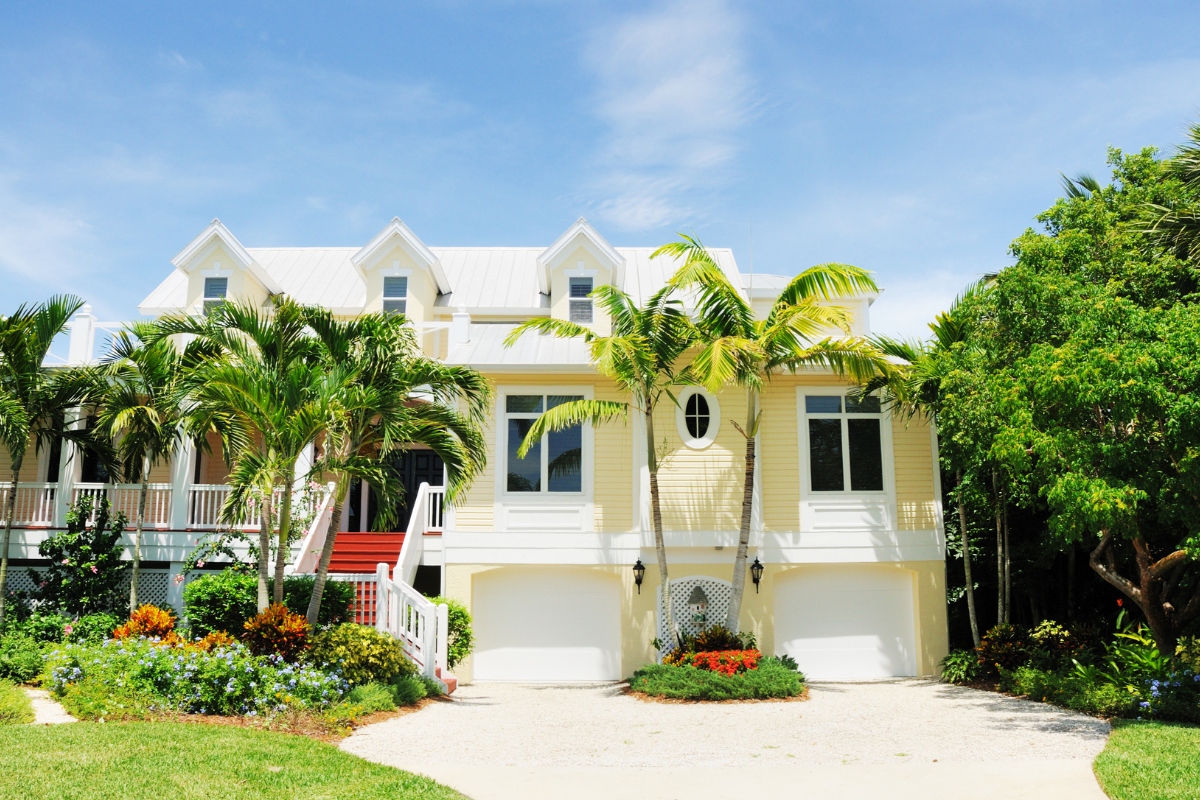
Well-maintained palms and trees add curb appeal and value – but only if problems are caught before they become emergencies.
Can I Assess My Trees Myself or Do I Need a Professional?
Effective tree care combines homeowner observation with professional expertise. Knowing which role to play helps you catch problems early without unnecessary expense.
What Tree Problems Can Homeowners Identify?
You don’t need professional training to conduct a meaningful preliminary assessment. Homeowners can effectively identify:
- Overall appearance changes from season to season, especially declining canopy density
- Obvious dead branches visible from ground level
- Soil moisture conditions and mulch depth around trees
- Basic watering needs based on weather and soil checks
- Concerns worth documenting with photos for professional review
Think of your role as the first line of observation. You know your property better than anyone and will notice changes that might escape a first-time visitor. Document what you see, note when you first observed it, and use that information to guide professional consultations.
When Should I Call a Certified Arborist?
Certain situations require professional expertise; both for accurate diagnosis and for safety:
- Any structural concerns including cracks, new leans, or hanging limbs
- Suspected disease or pest infestation
- Large trees or trees near structures that need assessment
- Pruning needs beyond small branches you can reach from the ground
- Post-storm damage evaluation
- Trees showing unexplained decline despite adequate water and care
ISA Certified Arborists have the training to distinguish between normal tree behavior and genuine problems. TCIA accreditation – held by only 19 companies in Florida – adds another layer of assurance regarding safety protocols and professional standards. If you’re unsure whether your situation warrants a professional, it’s worth a call to discuss what you’re seeing.
What Should I Schedule Based on My Assessment Findings?
Turning your assessment findings into action requires the right timing. Here’s how to translate what you observed into a practical plan for next year.
What Should I Do If I Found Structural Problems?
Schedule professional pruning before spring growth begins. Late winter is ideal because trees are dormant, weather is predictable, and you’ll have the work completed well before hurricane season. For trees with significant structural problems, a formal tree risk assessment should come first to determine the best course of action.
What If My Trees Show Signs of Stress or Disease?
Trees showing signs of stress, disease, or pest activity benefit from professional evaluation and potentially a tree health management program. Early intervention is almost always less expensive than treating advanced problems.
How Should I Address Palm Nutrient Deficiencies?
Plan for quarterly fertilization starting in late February if your palms show nutrient deficiencies. Complete palm frond removal is best done in March, after any late cold snaps have passed but before the growing season accelerates. Remember that so-called “hurricane cuts” that strip most fronds actually weaken palms. Proper pruning removes only dead or severely damaged fronds.
What If My Assessment Didn’t Reveal Any Major Concerns?
Even healthy trees benefit from routine professional inspection every one to three years to keep small issues from becoming big ones. Trees near structures, those that have shown past stress, or mature specimens with significant value warrant more frequent attention.
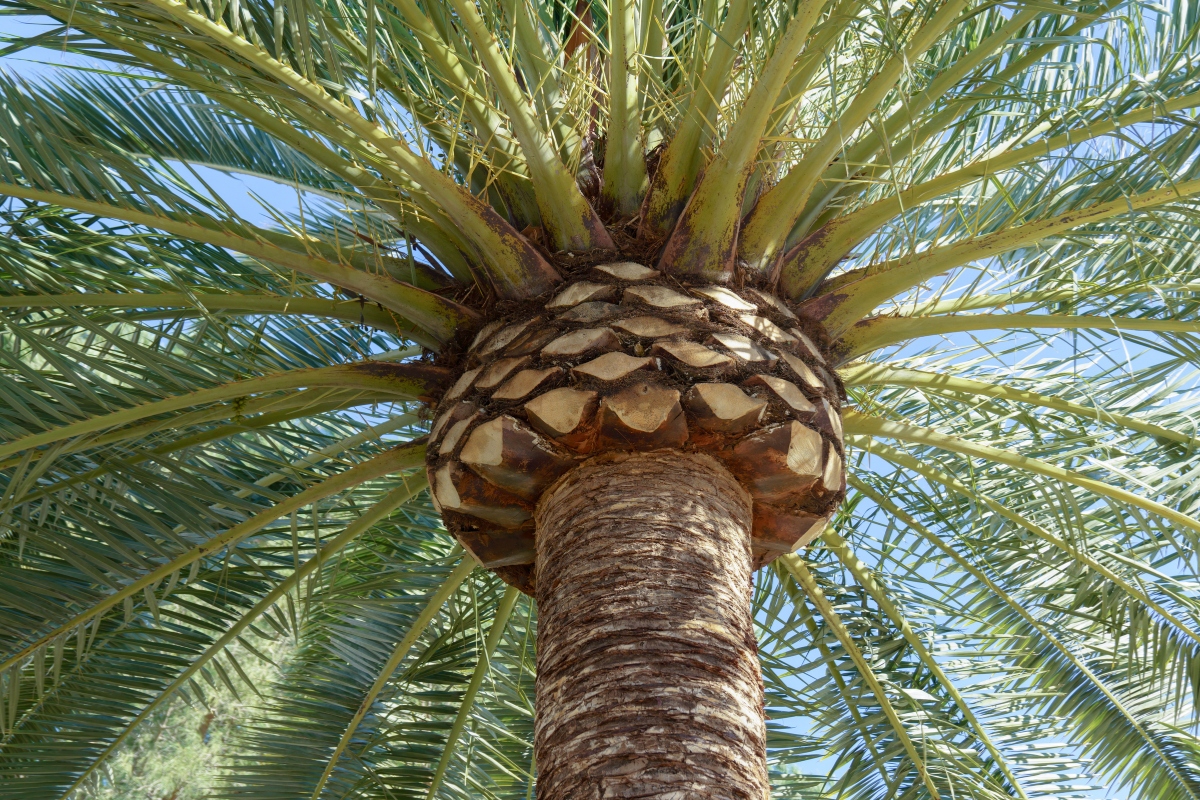
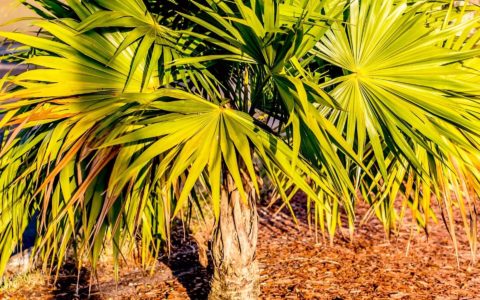
Proper palm pruning removes only dead fronds while preserving the full, rounded crown that helps palms withstand hurricane winds.
Planning Tree Care at Year-End Helps You Avoid Delays and Higher Costs
A year-end assessment is only valuable if you follow through with action. The end of the year is the ideal time to map out next year’s tree care budget alongside other property maintenance priorities.
Consider how the timing affects your options:
- Schedule Availability: Arborists are typically busiest during hurricane season and immediately after storms. Booking Q1 work now means better scheduling flexibility.
- Preventive vs. Emergency Costs: An annual inspection and targeted pruning costs a fraction of emergency removal after a tree fails. Year-end planning lets you budget for the smaller, preventive expense.
- Optimal Timing Windows: Some work, like structural pruning, should happen before spring growth. Planning now ensures you don’t miss the window.
- Compounding Problems: Issues identified now that go unaddressed until next fall have nine more months to worsen. Early intervention is almost always less expensive.
Proactive tree care also reflects and protects the significant value mature trees add to your property; healthy, well-maintained trees require less intervention over time than neglected ones.
Frequently Asked Questions About Year-End Tree Health Assessments
How often should I have my trees professionally inspected?
For mature, healthy trees, an annual inspection is sufficient. Trees that have shown stress, sustained storm damage, or are near structures may need evaluation every six months or after significant weather events. Newly planted trees should be checked twice during their first two years.
Should I water my trees during South Florida’s dry season?
Established mature trees generally don’t need supplemental watering unless there’s been no rain for two to three weeks. Recently planted trees still benefit from regular watering throughout winter. Check soil conditions rather than relying on recent weather as sandy soil doesn’t retain moisture well.
Can I remove dead palm fronds myself?
Only if you can reach them safely from ground level with a pole saw. Never climb palms or use ladders. Take only completely brown fronds; yellowing ones are still providing nutrients to the palm and should stay until fully dead.
What’s the difference between a tree health assessment and a tree risk assessment?
A general tree assessment evaluates overall health and identifies maintenance needs. A tree risk assessment is a formal evaluation by a Certified Arborist that specifically analyzes the likelihood of tree failure and potential consequences, often used for insurance purposes or when safety is a concern.
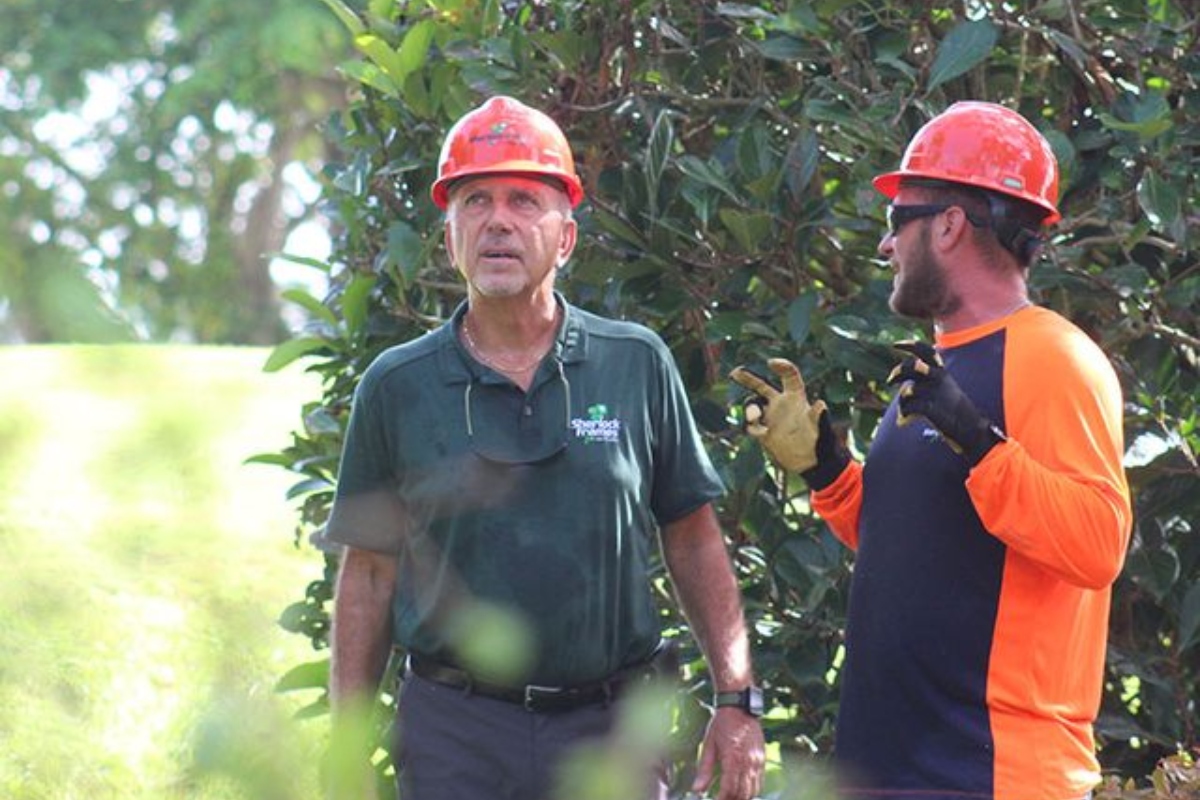
Identifying structural issues and health concerns requires trained eyes – our crews know what to look for and what it means for your trees.
Start the New Year with a Clear Tree Care Plan from Sherlock Tree
The dry season gives you the clearest conditions for evaluation, ample time to schedule necessary services, and the opportunity to set your property up for success in the year ahead. Whether your walk-through revealed concerns that need professional attention or simply confirmed your trees are in good shape, you now have the information to make informed decisions.
Ready to get a professional perspective on your trees? Call Sherlock Tree at 954-788-4000 or reach out online to schedule a year-end assessment with our ISA Certified Arborists. With over 50 years of local expertise and TCIA accreditation, we’ll help you understand exactly what your trees need heading into the new year.

Call Sherlock for quality tree services
Whether you're looking for specific tree care services, such as palm trimming, tree removal, or disease treatments, or would like one of our Arborists to examine your trees to identify any issues and recommend options, we're always here for you! Just give us a call at 954-788-4000 to set up an appointment.


- « Previous
- 1
- 2
- 3
SEE MORE ARTICLES
Looking for more?
We've got you covered with a monthly newsletter full of tips, resources, updates, how-to's, and other helpful information about trees and landscapes in South Florida!
